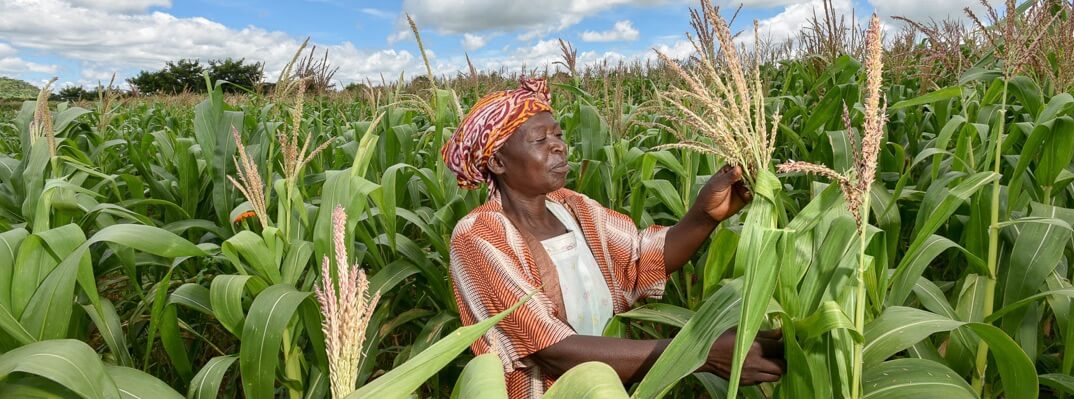
Welcome to the world of resource efficiency on the farm! As farmers, we are constantly looking for ways to maximize our resources in order to improve productivity and sustainability. From water and energy conservation to waste reduction and soil health, there are so many aspects to consider. In this article, we will explore some practical tips and strategies for maximizing resource efficiency on the farm, helping you to work smarter, not harder.
Maximizing Water Usage on the Farm
Water is a precious resource on the farm, essential for the growth of crops and the well-being of livestock. It is important for farmers to maximize their water usage in order to conserve this valuable resource and ensure sustainability in their operations. There are several strategies that farmers can employ to make the most efficient use of water on the farm.
One of the most effective ways to maximize water usage on the farm is through the implementation of drip irrigation systems. These systems deliver water directly to the roots of plants, minimizing evaporation and ensuring that the water is used where it is needed most. Drip irrigation can help farmers reduce water waste and improve crop yields compared to traditional overhead sprinkler systems. While the initial investment in drip irrigation systems may be higher, the long-term water savings and increased productivity make it a worthwhile investment for many farmers.
Another way to maximize water usage on the farm is through the use of cover crops. Cover crops help to retain moisture in the soil, reduce water run-off, and prevent erosion, allowing farms to make the most efficient use of the water that they have. Additionally, cover crops can help improve soil health and fertility, leading to better overall crop yields. By incorporating cover crops into their crop rotation plans, farmers can maximize their water usage and reduce the need for additional irrigation.
Efficient water management practices, such as soil testing and scheduling irrigation based on crop needs, can also help farmers make the most of available water resources. By understanding the water requirements of different crops and adjusting irrigation schedules accordingly, farmers can avoid over-watering and reduce water waste. Regular soil testing can help farmers determine the moisture content of the soil and make informed decisions about when and how much to irrigate. By implementing these practices, farmers can ensure that they are using water as efficiently as possible on their farms.
Capturing and storing rainwater is another effective way for farmers to maximize their water usage. Rainwater harvesting systems collect rain from rooftops or other surfaces and store it for later use on the farm. This captured rainwater can then be used for irrigation, livestock watering, or other farm activities, reducing the reliance on groundwater or surface water sources. By utilizing rainwater harvesting systems, farmers can make the most of naturally available water resources and reduce the need for additional irrigation.
In conclusion, maximizing water usage on the farm is essential for sustainable and efficient agricultural practices. By implementing strategies such as drip irrigation, cover cropping, efficient water management practices, and rainwater harvesting, farmers can make the most of available water resources and reduce water waste. By prioritizing water conservation and efficiency, farmers can ensure the long-term viability of their operations and contribute to a more sustainable agricultural industry.
Implementing Energy Efficient Practices
Implementing energy-efficient practices on the farm is crucial for reducing operational costs and minimizing environmental impact. There are several key steps that farmers can take to improve energy efficiency and sustainability on their operations.
One effective method for improving energy efficiency on the farm is to conduct an energy audit. This involves assessing current energy use patterns and identifying areas where improvements can be made. An energy audit can help farmers pinpoint where energy is being wasted and develop a plan to address these inefficiencies. By identifying and addressing energy waste, farmers can reduce their overall energy consumption and save money on utility bills.
Another important practice for improving energy efficiency on the farm is to invest in energy-efficient equipment and technologies. This includes upgrading to more efficient lighting, heating, and cooling systems, as well as utilizing energy-efficient appliances and machinery. By investing in energy-efficient equipment, farmers can reduce their energy consumption and lower their energy costs over the long term.
One simple yet effective way to improve energy efficiency on the farm is to implement proper maintenance practices. Regularly servicing and maintaining equipment can help ensure that it operates at peak efficiency and minimizes energy waste. This includes checking for air leaks, cleaning or replacing air filters, and ensuring that equipment is properly calibrated and operating at optimal levels. By keeping equipment well-maintained, farmers can help maximize energy efficiency and prolong the lifespan of their equipment.
Additionally, farmers can also benefit from incorporating renewable energy sources into their operations. Installing solar panels, wind turbines, or biomass generators can help offset energy costs and reduce reliance on fossil fuels. Renewable energy sources not only provide a clean and sustainable energy option but can also help farmers become more energy independent and reduce their carbon footprint.
It is also important for farmers to educate themselves and their employees about energy-efficient practices. By promoting a culture of energy conservation on the farm, everyone can work together to minimize energy waste and improve efficiency. This can include training employees on energy-saving practices, encouraging them to turn off lights and equipment when not in use, and promoting a culture of sustainability throughout the operation.
In conclusion, implementing energy-efficient practices on the farm is essential for reducing costs, conserving resources, and promoting sustainability. By conducting energy audits, investing in energy-efficient equipment, implementing proper maintenance practices, incorporating renewable energy sources, and promoting a culture of energy conservation, farmers can improve their operational efficiency and environmental impact. By taking these steps, farmers can work towards a more sustainable and resource-efficient future for their operations.
Utilizing Sustainable Crop Rotation Methods
One of the key components of farm resource efficiency is utilizing sustainable crop rotation methods. Crop rotation is the practice of planting different crops in the same field in sequential seasons in order to improve soil health, reduce pests and diseases, and increase overall crop yield. By rotating crops, farmers can also reduce the need for chemical fertilizers and pesticides, making their operations more environmentally friendly.
One common sustainable crop rotation method is the three-field system, which involves dividing a farm into three fields and rotating different crops each year. For example, in the first year, Field 1 can be planted with corn, Field 2 with soybeans, and Field 3 left fallow to allow the soil to rest. In the second year, the crops are rotated so that Field 1 is planted with soybeans, Field 2 with a cover crop like clover, and Field 3 with corn. This rotation allows for natural nitrogen fixation, weed suppression, and pest management, all while improving soil structure and fertility.
Another sustainable crop rotation method is the use of cover crops, which are planted in between cash crops to protect and enrich the soil. Cover crops like legumes and grasses help prevent soil erosion, suppress weeds, and attract beneficial insects. Additionally, cover crops can add organic matter to the soil, improve water retention, and increase biodiversity on the farm. By incorporating cover crops into their rotation, farmers can build resilience in their fields and reduce the need for chemical inputs.
In addition to traditional crop rotation methods, some farmers are also exploring agroforestry as a means of sustainable crop rotation. Agroforestry involves integrating trees and shrubs into agricultural landscapes to provide multiple benefits, such as increased biodiversity, improved soil health, and carbon sequestration. By planting trees alongside cash crops, farmers can create a more resilient and sustainable farming system that benefits both the environment and their bottom line.
Overall, utilizing sustainable crop rotation methods is essential for improving farm resource efficiency and promoting environmental sustainability in agriculture. By rotating crops, incorporating cover crops, and integrating agroforestry practices, farmers can enhance soil health, reduce input costs, and increase crop productivity. Through these innovative and environmentally friendly methods, farmers can build a resilient and sustainable farming system that benefits both the land and the community.
Investing in Precision Agriculture Technology
Investing in precision agriculture technology can have a significant impact on improving farm resource efficiency. Precision agriculture utilizes technologies such as GPS guidance systems, drones, sensors, and data analytics to optimize crop yields, reduce inputs, and minimize waste. By implementing these technologies, farmers can make more informed decisions that lead to higher productivity and profitability.
One key area where precision agriculture technology can make a big difference is in soil health management. By using sensors to monitor soil moisture levels, nutrient content, and pH levels, farmers can tailor their fertilizer applications to meet the specific needs of the crops. This targeted approach not only reduces the amount of fertilizer needed, but also helps prevent nutrient runoff and leaching, which can harm the environment.
Another benefit of investing in precision agriculture technology is the ability to reduce water usage on the farm. By using sensors to monitor soil moisture levels and weather patterns, farmers can optimize their irrigation schedules to ensure that crops receive just the right amount of water they need. This helps conserve water resources and can also lead to cost savings for the farm.
Precision agriculture technology can also help farmers make better decisions when it comes to pest and disease management. Drones equipped with cameras can be used to scout fields and identify areas of infestation quickly and accurately. This allows farmers to take targeted action to control pests and diseases, reducing the need for broad-spectrum pesticides and minimizing the impact on beneficial insects.
Furthermore, by collecting and analyzing data on a variety of factors such as weather patterns, soil conditions, crop health, and yield potential, farmers can identify trends and patterns that can help them optimize their operations. For example, by analyzing historical weather data, farmers can better predict when to plant and harvest crops, leading to better crop yields and higher profitability.
In conclusion, investing in precision agriculture technology is a smart move for farmers looking to improve resource efficiency on their farms. By utilizing tools such as GPS guidance systems, drones, sensors, and data analytics, farmers can make more informed decisions that lead to higher productivity, reduced inputs, and minimized waste. With the potential for cost savings, increased yields, and environmental benefits, precision agriculture technology is a valuable investment for any modern farm.
Reducing Waste and Maximizing Recycling Opportunities on the Farm
Farmers are constantly looking for ways to be more efficient and environmentally friendly on their farms. One important aspect of this is reducing waste and maximizing recycling opportunities in order to minimize the impact on the environment and improve overall farm resource efficiency.
One way to reduce waste on the farm is by implementing good waste management practices. This can include properly storing and handling chemicals and fertilizers to prevent spills and contamination of soil and water sources. Farmers can also reduce waste by carefully planning their planting and harvesting schedules to minimize excess produce that goes to waste. Additionally, implementing composting practices can help turn organic waste into valuable nutrients for the soil.
Maximizing recycling opportunities on the farm is another important aspect of improving resource efficiency. This can involve recycling materials such as plastic containers, metal scraps, and old machinery parts. Farmers can also explore opportunities to reuse water through practices like capturing and reusing rainwater or implementing drip irrigation systems to minimize water waste.
Another way to maximize recycling opportunities on the farm is through the use of renewable energy sources. Farmers can invest in solar panels or wind turbines to generate electricity for their operations, reducing reliance on fossil fuels and lowering energy costs. Additionally, utilizing manure for biogas production can provide a sustainable source of energy while also reducing methane emissions from manure storage facilities.
Furthermore, farmers can collaborate with local recycling facilities to recycle agricultural materials such as plastic mulch, hay bale wrap, and other non-biodegradable items commonly used on farms. By working together with these facilities, farmers can ensure that these materials are properly recycled and do not end up in landfills.
Implementing environmentally friendly practices such as reducing waste and maximizing recycling opportunities not only benefits the farm operation but also contributes to a healthier environment for future generations. By taking small steps to improve resource efficiency, farmers can make a big impact on sustainability and conservation efforts in the agricultural industry.
Originally posted 2025-01-11 18:32:14.