How to Optimize Your Farm Irrigation System
Hey there, fellow farmers! Are you looking to make the most out of your farm irrigation system? Ensuring that your crops receive the right amount of water at the right time is crucial for a successful harvest. In this article, we will discuss some tips and tricks on how to optimize your farm irrigation system to maximize efficiency and yield. Let’s dive in and get those crops thriving!
Importance of efficient irrigation systems
Efficient irrigation systems play a crucial role in ensuring the sustainability of agriculture and the availability of water resources. With the growing global population and the increasing demand for food production, it is more important than ever to optimize irrigation practices to maximize crop yield while conserving water. Inefficient irrigation systems can result in water wastage, increased energy consumption, soil erosion, and water pollution. This not only impacts the environment but also reduces the profitability of farmers and puts pressure on water resources.
By investing in efficient irrigation systems, farmers can improve water productivity, reduce production costs, and increase crop yields. Modern irrigation technologies such as drip irrigation, sprinkler systems, and soil moisture sensors allow farmers to apply the right amount of water at the right time, minimizing water wastage and maximizing crop growth. These systems also help to prevent overwatering, which can lead to nutrient leaching and waterlogging, affecting the health of plants and the quality of soil.
Efficient irrigation systems are also essential for adapting to climate change and mitigating its impact on agriculture. As weather patterns become more unpredictable and water resources become scarce, farmers need to be able to optimize their irrigation practices to cope with droughts, floods, and other extreme weather events. By using water-saving technologies and implementing water management strategies, farmers can ensure the resilience of their crops and maintain food security in the face of climate variability.
Furthermore, efficient irrigation systems contribute to the conservation of water resources and the protection of ecosystems. By minimizing water wastage and reducing the extraction of groundwater, farmers can help to preserve the natural environment and maintain the balance of aquatic ecosystems. Sustainable water management is essential for the long-term health of rivers, lakes, and wetlands, as well as the biodiversity that relies on them.
In conclusion, the importance of efficient irrigation systems cannot be understated. By optimizing water use in agriculture, farmers can increase their productivity, reduce their environmental impact, and ensure the sustainable use of water resources for future generations. Investing in modern irrigation technologies and adopting best practices in water management is not only beneficial for farmers but also essential for the health of our planet. It is time to prioritize the optimization of irrigation systems to secure a food-secure, water-efficient, and environmentally sustainable future.
Types of irrigation systems used on farms
There are several types of irrigation systems commonly used on farms to efficiently water crops and maximize yield. Each system has its own unique features and benefits, making it important for farmers to choose the one that best suits their specific needs. Some of the most popular types of irrigation systems used on farms include:
1. Drip Irrigation: Drip irrigation is a highly efficient system that delivers water directly to the root zone of plants through a network of tubes and emitters. This method reduces water waste by minimizing evaporation and runoff, making it an ideal choice for water-conscious farmers. Drip irrigation is also known for its ability to deliver precise amounts of water and nutrients, promoting healthy plant growth and increasing crop yields.
2. Sprinkler Irrigation: Sprinkler irrigation is a widely used system that distributes water through overhead sprinklers or spray nozzles. This method is effective for covering large areas of farmland and can be adjusted to deliver water at different rates depending on crop water requirements. Sprinkler systems are versatile and can be used for both field and orchard crops, making them a popular choice among farmers who need a flexible irrigation solution. Additionally, sprinkler irrigation can help to reduce soil erosion and maintain soil moisture levels, improving overall crop health.
3. Center Pivot Irrigation: Center pivot irrigation is a mechanical system that rotates around a central pivot point, delivering water to crops through a series of sprinklers attached to a long arm. This method is commonly used for large crop fields and provides uniform water distribution across the entire area. Center pivot irrigation is efficient in terms of water usage and labor costs, making it a practical choice for farmers looking to automate their irrigation processes and increase productivity. Additionally, this system allows for easy monitoring and control of water application, ensuring that crops receive the right amount of moisture at the right time.
4. Flood Irrigation: Flood irrigation is a traditional method that involves flooding fields with water to hydrate crops. This system is simple and cost-effective, making it a popular choice for farmers with access to abundant water sources. While flood irrigation is not as precise as other methods, it can still be effective for certain crops and soil types. This method works well for crops that can tolerate wet conditions, such as rice, and can help to rehydrate dry soil in arid regions. However, flood irrigation can lead to water wastage and nutrient leaching, so it is important for farmers to carefully manage their water usage and monitor soil health.
Overall, the choice of irrigation system will depend on factors such as crop type, soil conditions, water availability, and budget. By selecting the right system and optimizing its performance, farmers can ensure efficient water usage, promote healthy crop growth, and maximize their agricultural output.
Benefits of optimizing irrigation systems
Optimizing irrigation systems offers numerous advantages for farmers and the environment. By properly managing water usage, farmers can achieve higher crop yields while conserving water resources. Reduced water usage also leads to lower operational costs and energy consumption. Additionally, optimizing irrigation systems can improve soil health and nutrient absorption, resulting in healthier crops and better overall harvests.
One major benefit of optimizing irrigation systems is the ability to save water. By using advanced technology and precision irrigation techniques, farmers can deliver the exact amount of water needed for their crops, avoiding wastage and ensuring optimal moisture levels for plant growth. This not only conserves water but also reduces the risk of waterlogging and soil erosion, leading to healthier soil and improved long-term sustainability.
Furthermore, optimizing irrigation systems can help farmers save time and labor. With automated systems and remote monitoring capabilities, farmers can easily control and adjust their irrigation schedules without the need for constant manual intervention. This allows farmers to focus on other important tasks and operations, improving overall efficiency and productivity on the farm.
In addition to water conservation and efficiency, optimizing irrigation systems can also lead to better crop quality and increased yields. By ensuring that plants receive the right amount of water at the right time, farmers can promote healthier root development, reduce stress on crops, and prevent diseases caused by overwatering or underwatering. This results in higher quality produce and greater profitability for farmers.
Another benefit of optimizing irrigation systems is the potential for energy savings. By using water more efficiently and reducing the need for excessive pumping and distribution, farmers can lower their energy bills and reduce their carbon footprint. This not only benefits the environment but also improves the overall sustainability of farming operations.
Overall, optimizing irrigation systems offers a wide range of benefits for farmers, including water conservation, improved crop quality, reduced operational costs, and increased efficiency. By investing in advanced technology and adopting sustainable irrigation practices, farmers can maximize their yields, protect the environment, and ensure the long-term viability of their farms.
Smart technology for irrigation system optimization
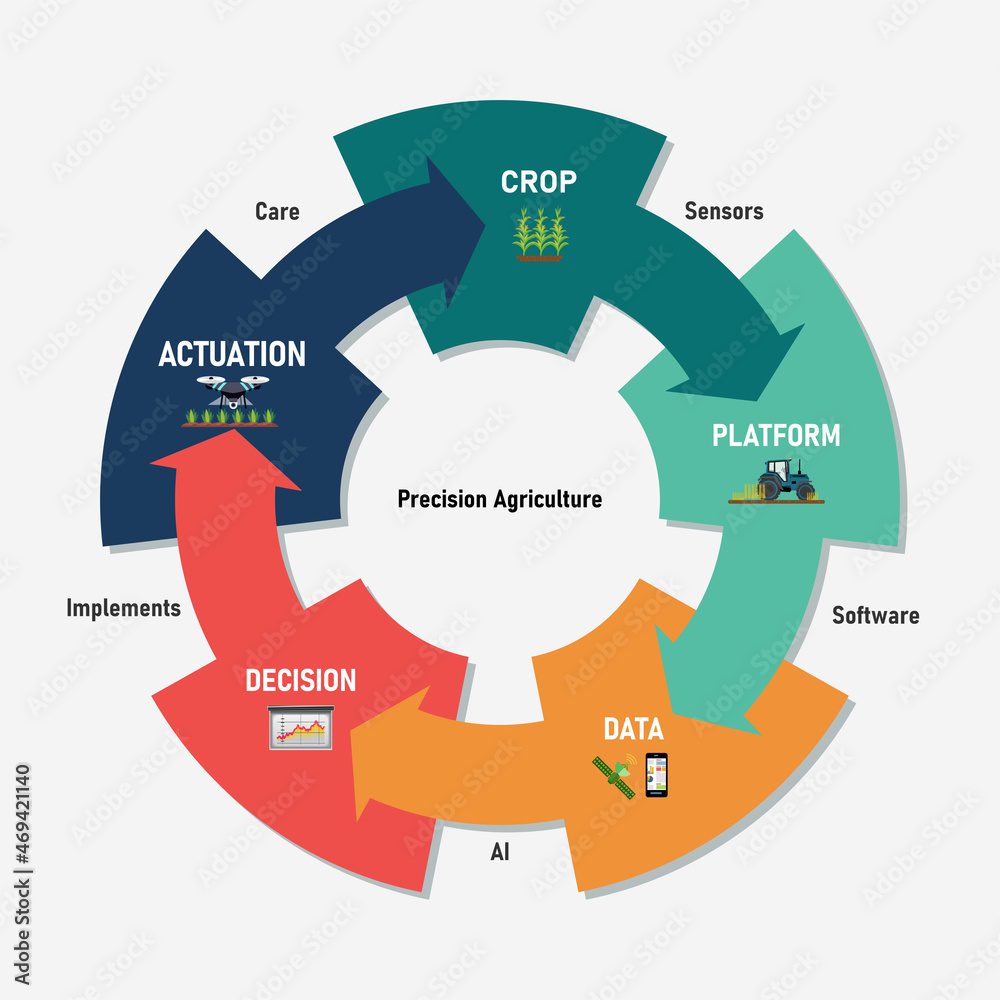
Implementing smart technology in your irrigation system can revolutionize the way you manage water and ensure that your plants receive the perfect amount of moisture at all times. One of the key components of smart technology for irrigation is the use of sensors. These sensors can measure moisture levels in the soil, temperature, and even detect the presence of pests. By collecting this data in real-time, you can make instant adjustments to your irrigation schedule, ensuring that your plants are always well-hydrated.
Another important aspect of smart irrigation systems is the use of weather forecasting technology. By connecting your irrigation system to a weather station or online weather service, you can receive real-time updates on upcoming rain events, humidity levels, and temperature fluctuations. This information can help you make informed decisions about when to water your plants, ultimately saving water and preventing overwatering.
Smart technology for irrigation also includes the use of automated systems that can be controlled remotely. With the touch of a button on your smartphone or computer, you can adjust your irrigation settings, start or stop watering cycles, and monitor the performance of your system from anywhere in the world. This level of convenience and control allows you to optimize your irrigation system without being tied to a specific location.
One of the most innovative developments in smart irrigation technology is the use of artificial intelligence (AI) algorithms. These algorithms analyze data collected from sensors, weather forecasts, and historical patterns to create optimized irrigation schedules tailored to the specific needs of your plants. By leveraging AI technology, you can maximize water efficiency, reduce water waste, and improve the overall health and productivity of your plants.
In addition to these advanced features, smart irrigation systems often come with user-friendly interfaces that make it easy for anyone to monitor and manage their irrigation system. With intuitive dashboards, customizable settings, and detailed reports, you can stay informed about the performance of your system and make adjustments as needed. Whether you are a novice gardener or a seasoned professional, smart technology for irrigation system optimization can streamline the process of watering your plants and help you achieve the best possible results.
Tips for improving irrigation system efficiency in agriculture
Having an efficient irrigation system in agriculture is essential for maximizing crop yield and conserving water resources. Here are five tips for optimizing your irrigation system:
1. Use the right type of irrigation system: There are various types of irrigation systems available, including drip irrigation, sprinkler irrigation, and flood irrigation. Each type has its own advantages and disadvantages, so it’s important to choose the one that is most suitable for your crops and soil type.
2. Invest in smart irrigation technology: Smart irrigation technology uses sensors and weather data to determine when and how much to water your crops. This can help prevent overwatering and ensure that your crops receive the right amount of water at the right time.
3. Regularly maintain your irrigation system: Regular maintenance of your irrigation system is crucial for ensuring its efficiency. This includes checking for leaks, replacing damaged parts, and calibrating your system to ensure that water is distributed evenly across your fields.
4. Monitor soil moisture levels: Monitoring soil moisture levels can help you determine when to water your crops and how much water they need. There are various tools available for measuring soil moisture, such as tensiometers and capacitance sensors.
5. Implement a water management plan: Developing a water management plan can help you optimize your irrigation system and reduce water waste. Start by conducting a water audit to identify areas where water is being wasted, such as leaks or overspray. Then, set water conservation goals and implement practices to achieve them, such as using cover crops to reduce evaporation or recycling water from other sources.
By following these tips, you can improve the efficiency of your irrigation system and help ensure the sustainability of your agricultural operation.
Originally posted 2025-01-15 21:53:09.