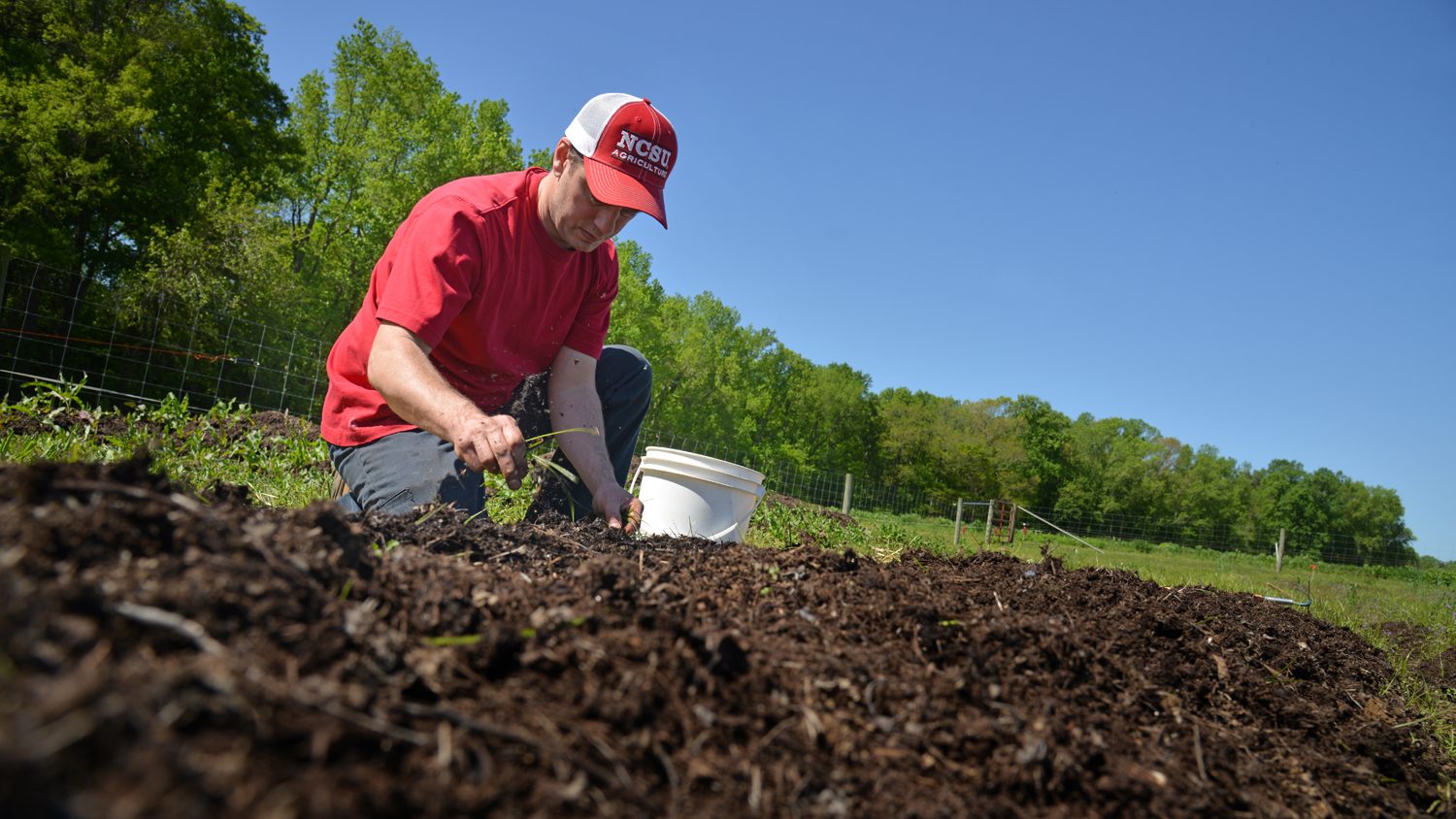
Welcome to our article on effective strategies for plant pest management on the farm! Dealing with pests can be a challenging task for farmers, but with the right approach, it can be managed effectively. From using natural predators to implementing crop rotation techniques, there are various methods that can help keep your plants safe and healthy. Let’s explore some practical tips and strategies to protect your crops from pests and maximize your farm’s productivity.
Identifying common plant pests
When it comes to managing plant pests, the first step is being able to identify them. There are a wide variety of pests that can wreak havoc on your plants, so knowing what to look for is crucial. Here are some common plant pests to be on the lookout for:
1. Aphids: These tiny insects come in a range of colors, including green, black, and red. They feed on plant sap, which can weaken the plant and make it more susceptible to diseases. You may notice distorted or yellowing leaves, sticky honeydew residue, or the presence of ants on your plants as signs of an aphid infestation.
2. Whiteflies: These tiny white insects resemble moths and can often be found on the undersides of leaves. They feed on plant sap and can cause yellowing, wilting, or stunted growth in plants. Whiteflies can also transmit plant viruses, so it’s important to address an infestation promptly.
3. Spider Mites: These microscopic pests are not actually insects, but rather arachnids. They are known for their webbing and can often be found on the undersides of leaves. Spider mites feed on plant sap, causing stippling, yellowing, or browning of leaves. They multiply rapidly, so early detection is key to preventing widespread damage.
4. Caterpillars: These larvae of butterflies and moths can be voracious eaters, causing significant damage to plant leaves. They may leave behind chewed or skeletonized leaves, fecal droppings, or silk webbing as evidence of their presence. Hand-picking caterpillars or using biological controls like Bacillus thuringiensis (BT) can help manage an infestation.
5. Slugs and Snails: These mollusks can be particularly damaging to young seedlings and tender plants. They feed on plant foliage, leaving behind large holes or slime trails. You may also notice their presence during the early morning or evening hours when they are most active. Control measures like setting up barriers or using traps can help keep slugs and snails at bay.
6. Scale Insects: These tiny pests can be difficult to spot as they often resemble bumps or scales on plant stems and leaves. They feed on plant sap and can weaken plants over time. You may notice yellowing leaves, sooty mold growth, or sticky honeydew residue as signs of a scale infestation. Pruning out heavily infested plant parts or using horticultural oil can help manage these pests.
By being able to identify common plant pests, you can take early action to prevent widespread damage to your plants. Regular monitoring and inspection of your garden can help you catch pest infestations before they become severe. Remember that different pests may require different control methods, so it’s important to accurately identify the pest before implementing any management strategies.
Natural methods of pest control
When it comes to managing plant pests in a natural and eco-friendly way, there are several methods that can be utilized. These natural methods are not only effective in controlling pests but also safe for the environment, beneficial insects, and human health. Here are some of the natural methods of pest control that you can implement in your garden:
1. Handpicking: One of the simplest and most effective ways to control pests in your garden is by handpicking them off plants. This method works well for larger pests such as caterpillars, snails, and beetles. Simply inspect your plants regularly and remove any pests you see by hand. Be sure to wear gloves when handpicking pests to protect your hands from any potential harm.
2. Beneficial insects: Introducing beneficial insects into your garden is another natural method of pest control. These insects, such as ladybugs, lacewings, and predatory wasps, feed on pests that can harm your plants. By attracting and providing a habitat for these beneficial insects, you can help maintain a healthy balance in your garden and keep pest populations in check.
One way to attract beneficial insects is by planting a diverse range of flowers and herbs that provide nectar and pollen for them. You can also purchase beneficial insects online or from local garden centers and release them into your garden. Another option is to create a habitat for beneficial insects by building insect hotels or placing nest boxes in your garden.
3. Neem oil: Neem oil is a natural insecticide derived from the seeds of the neem tree. It works by disrupting the life cycle of pests and repelling them from plants. Neem oil is safe for beneficial insects, birds, and mammals, making it an ideal choice for organic gardening. To use neem oil, dilute it with water according to the instructions on the label and spray it on your plants to control pests.
4. Companion planting: Companion planting involves growing certain plants together to benefit each other in various ways, including pest control. For example, planting marigolds next to tomatoes can help repel nematodes and whiteflies, while planting basil near tomatoes can help repel aphids and hornworms. By strategically pairing plants in your garden, you can naturally deter pests and promote plant health.
5. Homemade remedies: There are several homemade remedies that can be effective in controlling plant pests. For example, you can make a garlic and chili spray by blending garlic cloves and chili peppers with water and spraying it on your plants to repel pests. Another option is to make a soap spray by mixing liquid soap with water and spraying it on plants to suffocate soft-bodied pests like aphids and mites.
By utilizing these natural methods of pest control in your garden, you can effectively manage pests while promoting a healthy and thriving ecosystem. Incorporate these methods into your gardening practices to maintain a balanced and pest-free environment for your plants.
Integrated pest management strategies for crops
Integrated pest management (IPM) is a sustainable approach to managing pests that combines biological, cultural, physical, and chemical tools in a way that minimizes economic, health, and environmental risks. These strategies are essential for maintaining crop productivity while reducing the negative impacts of pesticides on the environment and human health.
One key component of IPM is implementing cultural practices that help prevent pest infestations. This includes practices like crop rotation, planting pest-resistant varieties, and maintaining proper spacing between plants to reduce the spread of diseases. By creating a less hospitable environment for pests, farmers can significantly reduce the need for chemical interventions.
Biological control is another important aspect of IPM. This involves the use of natural predators, parasites, and pathogens to control pest populations. For example, releasing ladybugs to eat aphids or introducing parasitic wasps to control caterpillars can help reduce the need for synthetic pesticides. By using natural enemies to suppress pest populations, farmers can achieve effective pest control without harming beneficial insects or pollinators.
Physical control methods are also commonly used in IPM. This includes practices like using row covers to protect crops from pests, installing traps to monitor pest populations, and implementing barriers to prevent pests from accessing plants. For example, placing sticky traps near plants can help monitor pest populations, while using mulch or netting can prevent pests from reaching vulnerable crops. By utilizing these physical control methods, farmers can reduce pest damage without relying on chemical pesticides.
When chemical control is necessary, IPM emphasizes the use of environmentally friendly pesticides that are targeted to specific pests and applied in a way that minimizes harm to non-target organisms. This includes using pest-specific baits, pheromones, and microbial insecticides that have minimal impact on beneficial insects and pollinators. By choosing less toxic pesticides and applying them judiciously, farmers can effectively manage pest populations while minimizing the negative impacts on the environment and human health.
Overall, integrated pest management strategies for crops are essential for sustainable agriculture. By combining cultural, biological, physical, and chemical tools in a holistic approach, farmers can effectively manage pest populations while reducing reliance on synthetic pesticides. With proper implementation of IPM practices, farmers can protect crop yields, conserve natural resources, and support a healthier environment for future generations.
Importance of monitoring and early detection in pest management
When it comes to effectively managing plant pests, monitoring and early detection play a crucial role in preventing widespread damage and minimizing the use of harmful pesticides. Monitoring involves regularly checking plants for signs of pest infestation, such as yellowing leaves, holes in foliage, or the presence of insects. Early detection, on the other hand, is the process of identifying and addressing pest problems before they have a chance to escalate.
One of the main reasons why monitoring and early detection are so important in pest management is that they allow farmers and gardeners to intervene quickly and decisively when pests are detected. By regularly checking plants for signs of infestation, growers can identify potential issues before they become serious problems. This proactive approach enables them to take preventive measures, such as releasing beneficial insects or using organic pest control methods, to keep pest populations in check.
Additionally, monitoring and early detection help minimize the need for chemical pesticides, which can be harmful to the environment and human health. By catching pest problems early on, growers can often address them using less toxic methods, such as biological controls or cultural practices like rotating crops or planting companion plants. This not only reduces the negative impact of pesticides on the ecosystem but also helps maintain soil health and biodiversity.
Another benefit of monitoring and early detection in pest management is that they allow growers to make informed decisions about when and how to treat pest problems. By keeping track of pest populations and observing their behavior, farmers can determine the most effective and targeted approach to control them. This could involve using specific pesticides that are less harmful to beneficial insects, applying treatments when pests are most vulnerable, or adjusting planting practices to discourage pest infestations.
Moreover, monitoring and early detection help prevent the spread of plant diseases carried by insect pests. By identifying and removing infected plants early on, growers can contain the outbreak and prevent it from spreading to healthy plants. This not only saves time and resources but also protects the overall health and productivity of the crop.
In conclusion, monitoring and early detection are essential components of effective pest management strategies. By staying vigilant and proactive in monitoring plant health and detecting pest problems early, growers can reduce the reliance on chemical pesticides, make informed decisions on pest control methods, and prevent the spread of diseases. Ultimately, adopting a holistic approach to pest management that includes monitoring and early detection can lead to healthier plants, a more sustainable environment, and higher yields for growers.
Using beneficial insects for biological control of pests
One of the most sustainable and natural ways to manage plant pests is by using beneficial insects for biological control. These insects can help control pest populations by either feeding on them or parasitizing them. By introducing these beneficial insects into the environment, farmers can reduce the need for chemical pesticides and promote a more balanced ecosystem.
One common example of beneficial insects used for biological control is ladybugs. Ladybugs are natural predators of aphids, a common plant pest that can cause significant damage to crops. By releasing ladybugs into a crop field infested with aphids, farmers can effectively control the pest population without the use of harmful chemicals. Ladybugs feed on aphids by sucking out their body fluids, effectively reducing their numbers and preventing further damage to the crops.
Another beneficial insect that is often used for biological control is the green lacewing. Green lacewings are voracious predators that feed on a variety of plant pests, including aphids, caterpillars, and mites. By releasing green lacewings into a garden or crop field, farmers can effectively control pest populations and protect their plants from damage. Green lacewings are particularly effective at controlling aphid populations, making them a valuable ally in organic pest management.
Parasitic wasps are another group of beneficial insects that are commonly used for biological control of pests. These tiny wasps lay their eggs inside the bodies of pest insects, such as caterpillars or aphids. When the eggs hatch, the larvae feed on the pest insect from the inside, eventually killing it. This method of pest control is highly effective and can help reduce pest populations without the need for chemical pesticides. Farmers can release parasitic wasps into their fields to help keep pest populations in check and protect their crops.
In addition to ladybugs, green lacewings, and parasitic wasps, there are many other beneficial insects that can be used for biological control of pests. Predatory mites, predatory beetles, and hoverflies are just a few examples of beneficial insects that can help farmers manage plant pests in a natural and sustainable way. By promoting the presence of these beneficial insects in their fields and gardens, farmers can reduce their reliance on chemical pesticides and create a more balanced and healthy ecosystem.
Overall, using beneficial insects for biological control of pests is an effective and sustainable method of pest management. By harnessing the natural predators of plant pests, farmers can reduce the need for chemical pesticides and promote a healthier environment for their crops. With the help of ladybugs, green lacewings, parasitic wasps, and other beneficial insects, farmers can protect their plants from pest damage and cultivate a more sustainable and eco-friendly agricultural system.
Originally posted 2025-01-12 11:01:46.